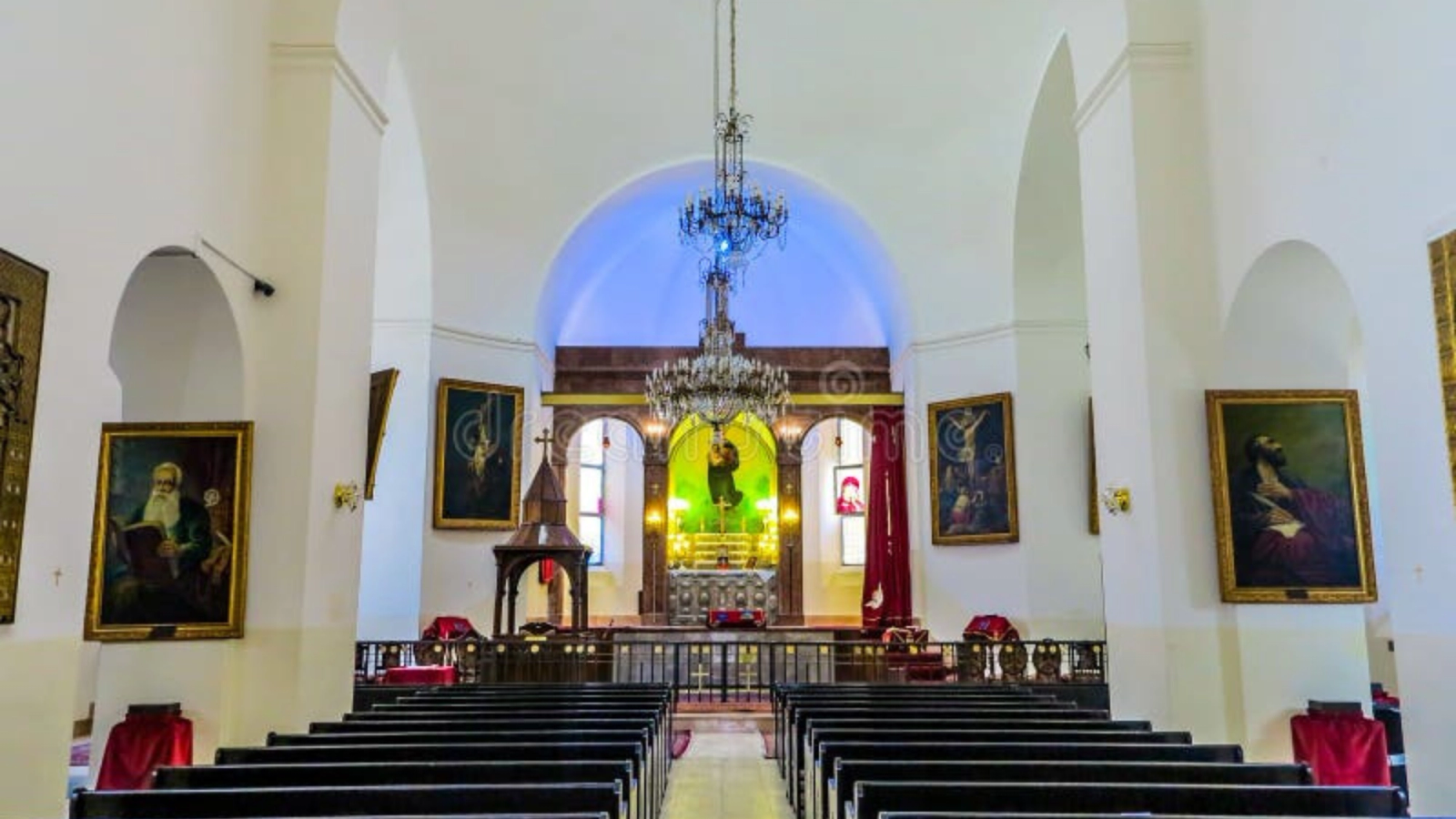
War does not arrive with equal consequences for everyone. It redraws realities, shifts power, and exposes the most vulnerable. In Iran today, as tensions rise and conflict shapes the national atmosphere, one group finds itself caught in a particularly fragile position: Christians.
To understand this moment, it is important to look beyond headlines of geopolitics and military strategy. Because for Iranian Christians—especially converts—the issue is not only external conflict, but an already difficult internal environment that becomes even more dangerous during times of unrest.
Iran is not unfamiliar with religious complexity. Historically recognized Christian communities, such as Armenians and Assyrians, have existed for centuries. Yet, the situation changes significantly when it comes to those who convert to Christianity from Islam. For them, faith is no longer just a personal belief—it is often treated as a political act.
In recent years, reports have indicated a sharp increase in arrests, interrogations, and long prison sentences for Christians accused of activities deemed threats to national security. These charges are rarely about violence or crime, but rather about gatherings, worship, or sharing religious beliefs. In such a system, faith itself becomes suspect.
Now, add war to this equation.
Conflict tends to amplify suspicion. Governments under pressure often tighten control, seeking to eliminate anything perceived as instability. Minority groups—especially those linked, rightly or wrongly, to foreign influence—can quickly become targets of scrutiny. In Iran, where Christianity is sometimes framed as a “Western” religion, this dynamic becomes even more pronounced.
The result is a quiet escalation. Not always visible, not always reported—but deeply felt.
In times of national crisis, the space for independent identity shrinks. Churches are monitored more closely. Gatherings become riskier. Conversations become cautious. The line between religious practice and political threat begins to blur, often with serious consequences.
Yet, this is only one side of the story.
There is another reality—one that rarely makes headlines. Despite pressure, Christianity in Iran has not disappeared. In fact, many observers note that faith continues to grow quietly, often through underground house churches and personal networks. This suggests something deeper: that belief, when tested, can become more resilient rather than weaker.
War, in this sense, does not just create fear—it also reveals conviction.
At the same time, it is crucial to avoid oversimplification. The situation in Iran is not a single narrative of division. There are also moments of solidarity, where ordinary citizens—regardless of religion—share the same fears, hopes, and desire for peace. In the midst of unrest, both Muslims and Christians have been seen standing together, not against each other, but against the instability that threatens everyone.
This is an important reminder: conflict is often political, but its consequences are human.
From a Christian perspective, this moment carries both challenge and responsibility. The challenge is clear—how to remain faithful in an environment where faith can carry risk. But the responsibility extends beyond Iran. It calls the global Church to awareness, to prayer, and to a more informed understanding of what religious freedom truly means.
Because it is easy to speak about faith in places where it is protected. It is much harder to live it where it is questioned.
There is also a deeper theological reflection here. Christianity was never born in comfort. Its earliest followers lived under pressure, often misunderstood, often persecuted. And yet, it was in those very الظروف that the faith spread—not through power, but through perseverance.
Iran today, in many ways, echoes that early tension.
But perhaps the most important question is not political, but moral: What does the world choose to see? War narratives often focus on strategy, alliances, and outcomes. But beneath all of that are individuals—families, believers, communities—navigating fear with faith.
For them, this is not theory. It is daily life.
As global attention remains fixed on conflict, it is worth remembering that peace is not only the absence of war. It is the presence of justice, dignity, and the freedom to believe without fear.
And until that freedom exists for everyone, especially in places where faith becomes dangerous, the story is not complete.
News | Opinion
Opinion: Faith Under Fire, What War Means for Christians in Iran
An opinion analysis on Christians in Iran amid rising tensions, exploring how conflict impacts religious freedom, faith, and minority communities under pressure.
Comments
Sign in to comment and follow the conversation.
Sign in to commentMore From News
Christian Persecution Explained: Where Faith Becomes Dangerous
Buckingham Palace Skips Easter Message as Debate Grows Over Royal Religious Signals
Punjab Minority Rights Bill 2026 Introduced Amid Debate Over Interfaith Marriage in Pakistan
Rising Threats in Northern Nigeria Put Christians at Risk Ahead of Easter
Consultation Highlights Urgent Need for Legal Safeguards on Faith Conversions in Pakistan
Faith, Law, and Borders: Inside the Quiet Divide Among America’s Protestant Pastors
Most Popular
Christian Persecution Explained: Where Faith Becomes Dangerous
Buckingham Palace Skips Easter Message as Debate Grows Over Royal Religious Signals
Punjab Minority Rights Bill 2026 Introduced Amid Debate Over Interfaith Marriage in Pakistan
Rising Threats in Northern Nigeria Put Christians at Risk Ahead of Easter
Opinion: Faith Under Fire, What War Means for Christians in Iran
Consultation Highlights Urgent Need for Legal Safeguards on Faith Conversions in Pakistan
Trending
Christian Persecution Explained: Where Faith Becomes Dangerous
Buckingham Palace Skips Easter Message as Debate Grows Over Royal Religious Signals
Punjab Minority Rights Bill 2026 Introduced Amid Debate Over Interfaith Marriage in Pakistan
Rising Threats in Northern Nigeria Put Christians at Risk Ahead of Easter
Opinion: Faith Under Fire, What War Means for Christians in Iran
Loading comments...