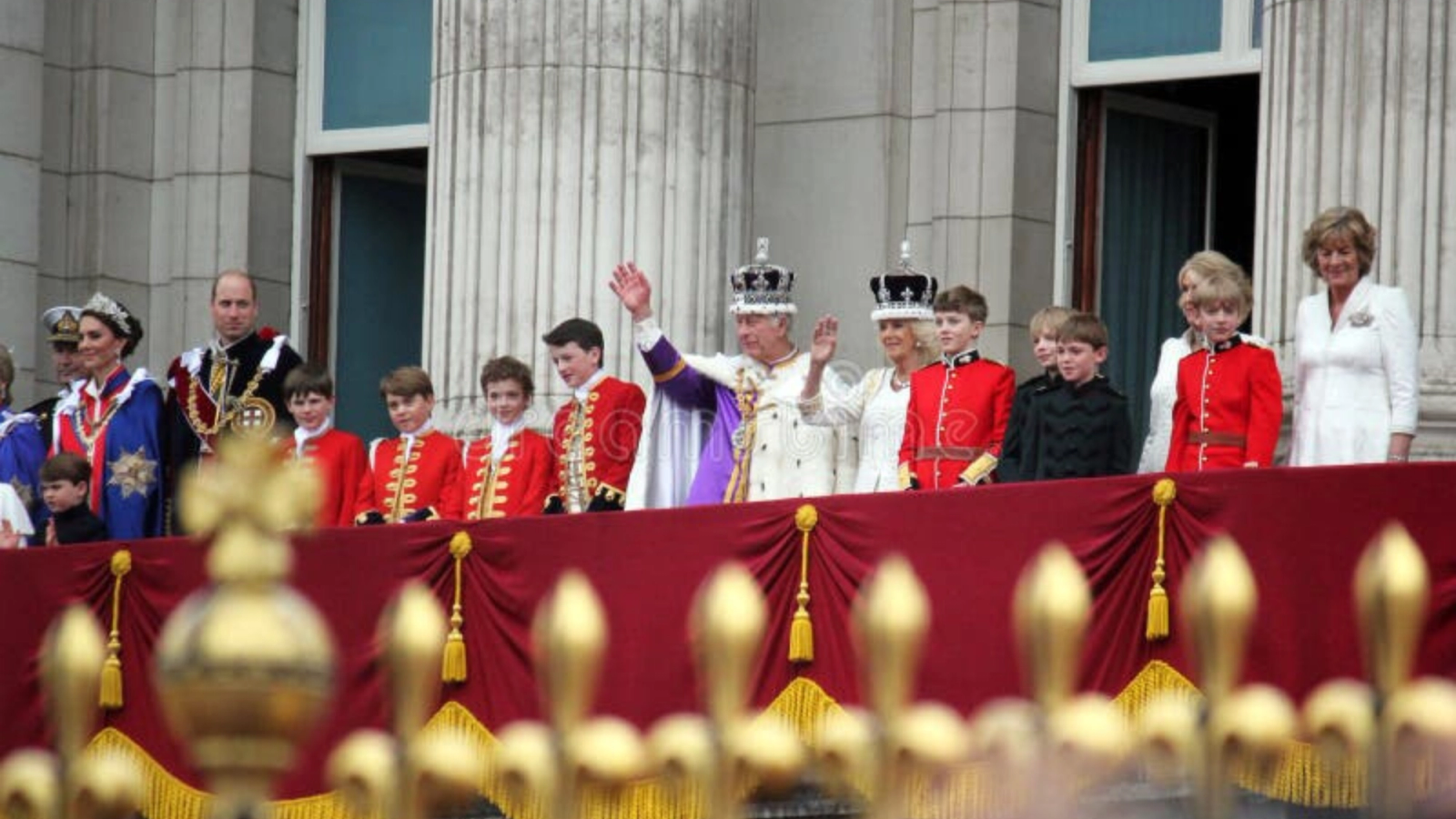
Buckingham Palace has confirmed that King Charles III will not deliver an official Easter message this year, a decision that has sparked discussion and criticism among some Christian observers, particularly in light of recent royal outreach to other faith communities.
According to reports, the Palace clarified that an Easter message is not an annual tradition in the same way as the monarch’s Christmas broadcast. However, the absence of a message this year stands in contrast to 2025, when the King issued a Maundy Thursday reflection centered on the humility and love of Jesus Christ.
While officials have not framed the decision as a policy shift, the timing has drawn attention. The decision comes just weeks after the Royal Family’s official social media accounts publicly marked Ramadan with a message wishing Muslims a “blessed and peaceful Ramadan,” accompanied by the phrase “Ramadan Mubarak.”
That message was widely welcomed by many, but it also prompted criticism from some commentators who questioned the balance of religious recognition. Critics pointed out that the Ramadan greeting was shared on Shrove Tuesday, a significant day in the Christian calendar marking the lead-up to Lent, yet no equivalent public message was issued for that occasion.
The current decision not to release an Easter message has therefore intensified a broader conversation: how should a constitutional monarch, historically linked with the Christian faith, engage with an increasingly multi-religious society?
King Charles has consistently positioned himself as a defender not only of Christianity, but of all faiths. In previous public remarks, he has emphasized shared moral values across religions, often highlighting compassion, service, and human dignity as universal principles. His 2025 Easter reflection itself referenced how Christ’s example of love resonates beyond Christianity, echoing values found in other traditions.
Supporters of the King argue that his approach reflects the reality of modern Britain, a diverse society where interfaith respect is seen as essential. They view the Ramadan message and similar gestures as part of a broader effort to foster unity and inclusivity at a national level.
However, critics see the situation differently. For them, Easter is not just another religious event, but the central celebration of the Christian faith, marking the resurrection of Jesus Christ. The absence of a message, especially following visible acknowledgment of other religious observances, has been interpreted by some as a symbolic imbalance.
This tension highlights a deeper issue facing the monarchy in the 21st century. Historically, the British monarch has held the title “Defender of the Faith,” a role closely tied to the Church of England. Yet, as society evolves, the practical meaning of that title is being reexamined.
The challenge lies in navigating two expectations that do not always align. On one hand, there is a desire to preserve Christian heritage and tradition. On the other, there is growing pressure to reflect the pluralistic nature of contemporary society.
For many observers, this moment is less about a single message and more about perception. Public gestures, whether a greeting, a speech, or silence, carry symbolic weight. They shape how communities feel seen, valued, or overlooked.
It is also important to note that the King and Queen still participated in Maundy Thursday events, maintaining a visible presence in Christian observance even without a formal message. This suggests that while the communication strategy may vary, engagement with Christian traditions has not been entirely absent.
Ultimately, the decision not to issue an Easter message may have been procedural rather than ideological. Yet in a media environment where symbolism matters as much as substance, it has quickly become part of a larger narrative about faith, leadership, and identity.
As debates continue, the situation reflects a broader question facing not just the monarchy, but many institutions today: how to honor tradition while adapting to diversity, without appearing to diminish either.
In that balance lies the real challenge, and perhaps the future direction, of modern religious expression in public life.
News | United Kingdom
Buckingham Palace Skips Easter Message as Debate Grows Over Royal Religious Signals
Buckingham Palace confirms no Easter message this year, sparking debate after the King’s Ramadan greeting, raising questions about faith, tradition, and royal priorities.
Comments
Sign in to comment and follow the conversation.
Sign in to commentMore From News

Christian Persecution Explained: Where Faith Becomes Dangerous
Punjab Minority Rights Bill 2026 Introduced Amid Debate Over Interfaith Marriage in Pakistan

Rising Threats in Northern Nigeria Put Christians at Risk Ahead of Easter

Opinion: Faith Under Fire, What War Means for Christians in Iran

Consultation Highlights Urgent Need for Legal Safeguards on Faith Conversions in Pakistan

Faith, Law, and Borders: Inside the Quiet Divide Among America’s Protestant Pastors
Most Popular

Christian Persecution Explained: Where Faith Becomes Dangerous
Buckingham Palace Skips Easter Message as Debate Grows Over Royal Religious Signals
Punjab Minority Rights Bill 2026 Introduced Amid Debate Over Interfaith Marriage in Pakistan
Rising Threats in Northern Nigeria Put Christians at Risk Ahead of Easter

Opinion: Faith Under Fire, What War Means for Christians in Iran
Consultation Highlights Urgent Need for Legal Safeguards on Faith Conversions in Pakistan
Trending
Christian Persecution Explained: Where Faith Becomes Dangerous
Buckingham Palace Skips Easter Message as Debate Grows Over Royal Religious Signals
Punjab Minority Rights Bill 2026 Introduced Amid Debate Over Interfaith Marriage in Pakistan
Rising Threats in Northern Nigeria Put Christians at Risk Ahead of Easter
Opinion: Faith Under Fire, What War Means for Christians in Iran
Loading comments...