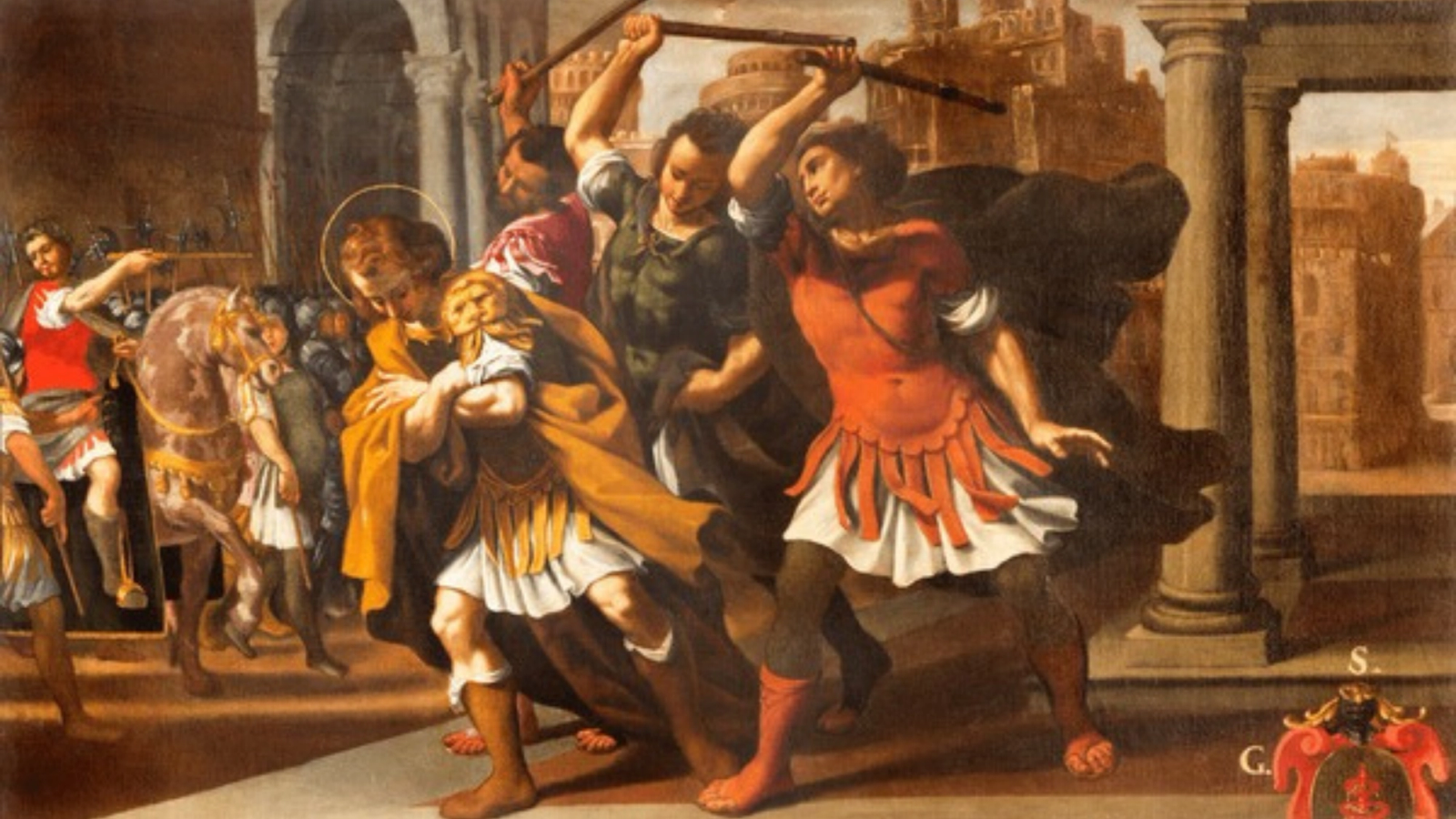
In many parts of the world, faith is a personal choice, something expressed freely in churches, homes, and public life without fear. But for millions of Christians globally, faith is not just a belief. It is a risk.
Christian persecution is often misunderstood, reduced to isolated incidents or distant headlines. In reality, it is a complex and ongoing global issue where belief in Christ can lead to discrimination, violence, imprisonment, and even death. To understand it properly, one must move beyond statistics and look at the environments where faith itself becomes dangerous.
At its core, persecution occurs when religious freedom is restricted, either by governments, societies, or extremist groups. In some countries, Christianity is seen as a threat to political authority. In others, it is viewed as a foreign influence that challenges cultural or religious dominance. The result is the same: believers are pushed to the margins, forced to choose between silence and suffering.
There are different layers to this persecution. The most visible is physical violence, attacks on churches, kidnappings, and killings. These are the stories that occasionally make international news. However, a more widespread and less visible form exists beneath the surface. This includes social exclusion, loss of employment, denial of education, and legal restrictions on worship. In many cases, Christians are not attacked outright, they are slowly erased from public life.
One of the most critical aspects of this issue is geography. In regions marked by political instability or extremist ideologies, Christians often become easy targets. Their minority status makes them vulnerable, and their faith identity becomes a defining marker that separates them from the majority. In such environments, even attending church can be an act of courage.
In authoritarian systems, the challenge takes a different form. Here, the state may not always target Christianity specifically, but it seeks to control all forms of independent belief. Churches are monitored, gatherings are restricted, and religious leaders are pressured to align with state narratives. Faith, in these contexts, becomes dangerous not because of what it teaches, but because of what it represents: an authority higher than the state.
Another dimension is cultural pressure. In societies where religion is deeply tied to identity, converting to Christianity can lead to rejection from family and community. This form of persecution is deeply personal. It does not come from institutions, but from relationships. Individuals may face isolation, threats, or forced return to their previous beliefs. The cost of faith, in these cases, is belonging itself.
What makes Christian persecution particularly complex is its invisibility. Unlike large-scale conflicts, it often unfolds quietly, without global attention. There are no major headlines for someone denied a job because of their faith, or a family forced to worship in secret. Yet these everyday struggles define the lived experience of millions.
From a Catholic perspective, persecution is not a new reality, it is rooted in the very foundation of the faith. The early Church was built under threat, and the message of the Gospel has always carried a cost. However, acknowledging this history does not mean accepting persecution as inevitable. Instead, it calls for awareness, solidarity, and action.
The global Church today faces a dual responsibility. First, to support those who are suffering, through advocacy, humanitarian aid, and prayer. Second, to raise awareness in regions where religious freedom is often taken for granted. Because ignorance can be as dangerous as oppression. When persecution is unseen, it is easier to ignore.
There is also a broader implication. Religious freedom is not just a Christian issue, it is a human rights issue. When one group is denied the right to believe, it sets a precedent that can affect all others. The protection of faith, therefore, is tied to the protection of human dignity itself.
In the end, Christian persecution forces a difficult but necessary reflection: what is the value of faith when it comes at a cost? For those living in freedom, it is a question of gratitude and responsibility. For those facing danger, it is a question of courage and endurance.
Because in the places where faith becomes dangerous, belief is no longer casual, it becomes conviction.
And conviction, in its purest form, is something the world cannot easily silence.
News | Explain
Christian Persecution Explained: Where Faith Becomes Dangerous
Christian persecution explained: a global look at where and why faith becomes dangerous, exploring violence, discrimination, and the struggle for religious freedom today.
Comments
Sign in to comment and follow the conversation.
Sign in to commentMore From News
Most Popular
Christian Persecution Explained: Where Faith Becomes Dangerous
Punjab Minority Rights Bill 2026 Introduced Amid Debate Over Interfaith Marriage in Pakistan
Rising Threats in Northern Nigeria Put Christians at Risk Ahead of Easter
Faith, Law, and Borders: Inside the Quiet Divide Among America’s Protestant Pastors
Pakistan Court Ruling on Muslim-Christian Marriage Sparks Debate Over Minority Rights
Monday - Thursday Reflection: The Silence, The Table, and The Cross
Trending
Christian Persecution Explained: Where Faith Becomes Dangerous
Punjab Minority Rights Bill 2026 Introduced Amid Debate Over Interfaith Marriage in Pakistan
Rising Threats in Northern Nigeria Put Christians at Risk Ahead of Easter
Faith, Law, and Borders: Inside the Quiet Divide Among America’s Protestant Pastors
Pakistan Court Ruling on Muslim-Christian Marriage Sparks Debate Over Minority Rights
Loading comments...