Pakistan’s constitutional court has recently issued a ruling stating that a Muslim man may marry a Christian woman, citing interpretations aligned with Islamic jurisprudence. While the decision has been framed within a legal and religious context, it has triggered a wide-ranging debate across the country, particularly among minority communities, legal experts, and human rights observers.
Within Pakistan’s Christian community, the ruling has been met with a degree of concern and uncertainty. Several churches, faith-based organizations, and pastoral leaders have publicly expressed reservations, urging authorities to reconsider or review the broader implications of the decision. Their concerns are not solely based on the legal wording of the ruling itself, but rather on the social realities that already exist on the ground.
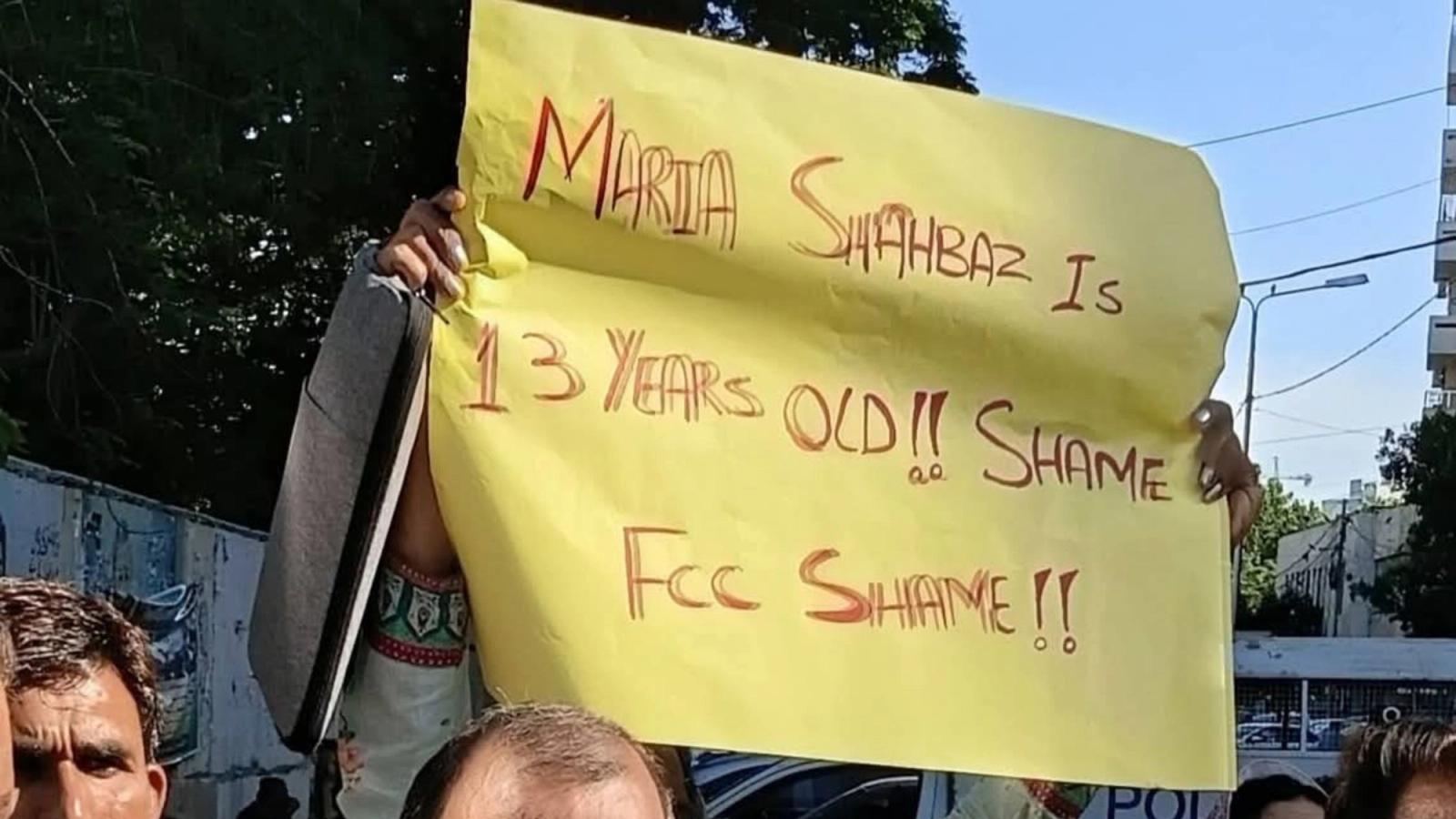
Over the past several years, multiple cases have been reported involving alleged forced conversions and marriages, particularly affecting minority girls from Christian, Hindu, and other vulnerable communities. Human rights groups and advocacy organizations have documented instances where minors were reportedly coerced into changing their religion and subsequently married, often under contested circumstances. In this context, critics argue that any legal development touching on interfaith marriage must be accompanied by strong safeguards to ensure that consent, age verification, and protection from coercion are strictly upheld.
The current ruling has therefore been interpreted by some as potentially adding complexity to an already sensitive issue. Community representatives have emphasized that without clear enforcement mechanisms and protective measures, there is a risk that such legal positions could be misinterpreted or misused at the local level. As a result, calls for clarity, transparency, and legal oversight have grown louder.
The reaction has not been limited to within Pakistan. Members of the Pakistani Christian diaspora, particularly those settled in regions such as Europe, North America, and parts of Asia, have also begun raising concerns. Through social platforms, community forums, and advocacy networks, some have urged the Pakistani government to revisit the decision and ensure that minority protections are not weakened. These voices highlight a growing international dimension to what is otherwise a domestic legal matter.
At the same time, the response within the Muslim majority is not uniform. While some view the ruling as consistent with established religious interpretations, others have expressed caution. Certain commentators and civil society voices have pointed out that in a country where minority rights remain a sensitive topic, any such decision must be handled with care to avoid unintended consequences. There are also opinions suggesting that the focus should remain on strengthening laws against forced marriage and ensuring that existing protections are effectively implemented.
Notably, there has been no comprehensive or detailed response from government authorities addressing the range of concerns being raised. This absence of clarity has further fueled debate, with many observers calling for an official statement outlining how the ruling will be applied in practice, and what specific safeguards will be introduced to protect vulnerable individuals.
As discussions continue, the central issue remains the balance between legal interpretation, religious freedom, and the protection of fundamental human rights. The situation underscores the importance of ensuring that any legal framework, particularly one involving interfaith relationships, is supported by robust mechanisms that prioritize consent, age verification, and the safety of all parties involved.
Ultimately, the conversation is evolving beyond a single court decision. It reflects broader questions about minority rights, legal protections, and social trust within Pakistan’s diverse society. How these concerns are addressed in the coming weeks and months may play a significant role in shaping both domestic confidence and international perception regarding the country’s commitment to equality and justice.
News | Pakistan
Pakistan Court Ruling on Muslim-Christian Marriage Sparks Debate Over Minority Rights
Pakistan’s recent court ruling allowing Muslim men to marry Christian women has raised concerns among minority communities, with calls for stronger safeguards amid ongoing reports of forced conversions and marriages.
Comments
Sign in to comment and follow the conversation.
Sign in to commentMore From News
Most Popular

Christian Persecution Explained: Where Faith Becomes Dangerous
Punjab Minority Rights Bill 2026 Introduced Amid Debate Over Interfaith Marriage in Pakistan
Rising Threats in Northern Nigeria Put Christians at Risk Ahead of Easter
Faith, Law, and Borders: Inside the Quiet Divide Among America’s Protestant Pastors
Pakistan Court Ruling on Muslim-Christian Marriage Sparks Debate Over Minority Rights

Monday - Thursday Reflection: The Silence, The Table, and The Cross
Trending
Christian Persecution Explained: Where Faith Becomes Dangerous
Punjab Minority Rights Bill 2026 Introduced Amid Debate Over Interfaith Marriage in Pakistan
Rising Threats in Northern Nigeria Put Christians at Risk Ahead of Easter
Faith, Law, and Borders: Inside the Quiet Divide Among America’s Protestant Pastors
Pakistan Court Ruling on Muslim-Christian Marriage Sparks Debate Over Minority Rights
Loading comments...